


LPG Verdampfer für Autogasanlagen
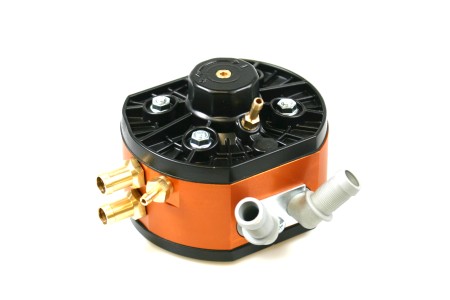
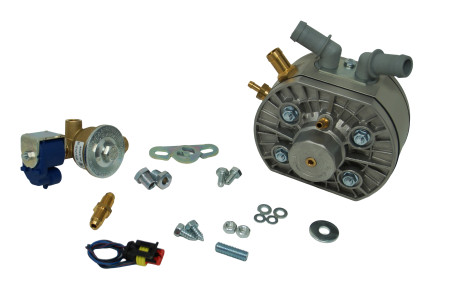
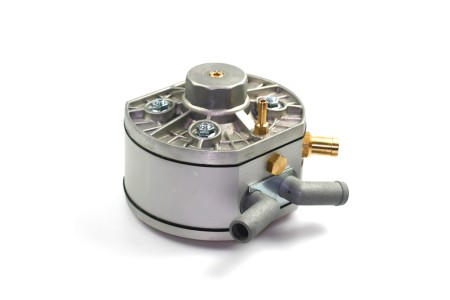
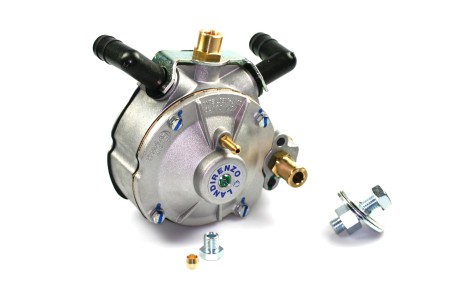
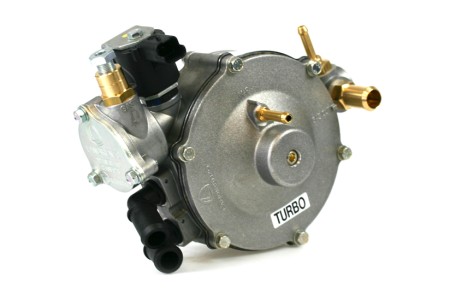
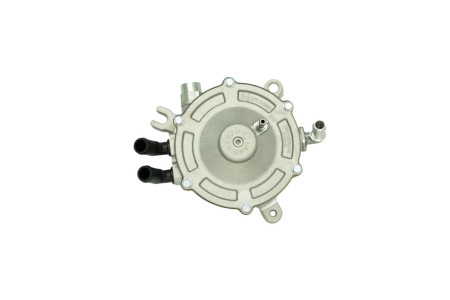
LPG Verdampfer übernehmen in Autogas-Anlagen die Aufgabe, das flüssige Autogas aus dem Tank zu verdampfen und auf einen für die Gasanlage geeigneten Arbeitsdruck zu bringen. In dieser Kategorie finden Sie LPG Verdampfer für unterschiedliche Autogas-Systeme, Motorleistungen und Anlagenkonfigurationen verschiedener Hersteller. Je nach Ausführung sind die Verdampfer mit integriertem oder vorgeschaltetem Absperrventil, Filteranschluss, Kühlwasseranschlüssen und passenden Anschlussmöglichkeiten für Gas- und Flüssigphase ausgestattet. Die Produkte eignen sich für Wartung, Austausch, Reparatur und Nachrüstung bestehender LPG-Gasanlagen. Mehr zu unserem Sortiment an LPG Verdampfern für Autogasanlagen.

LPG Verdampfer – Funktionsweise, Symptome und Reparatur
Wie funktioniert der LPG Verdampfer?
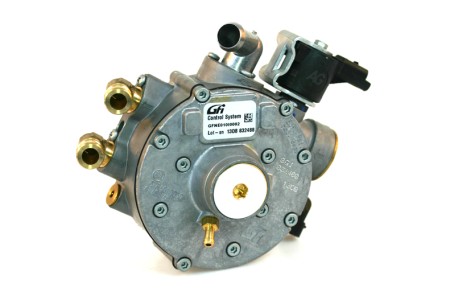
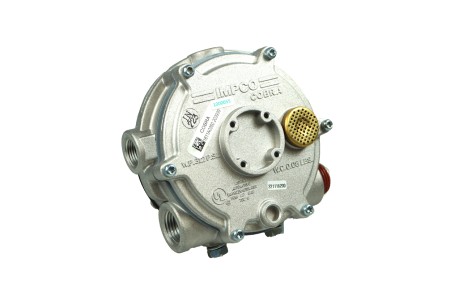
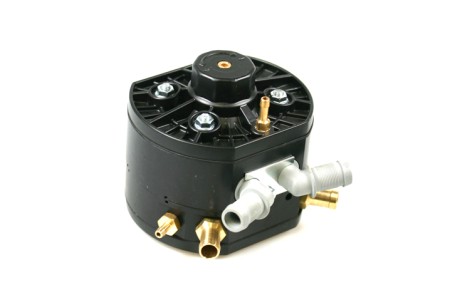
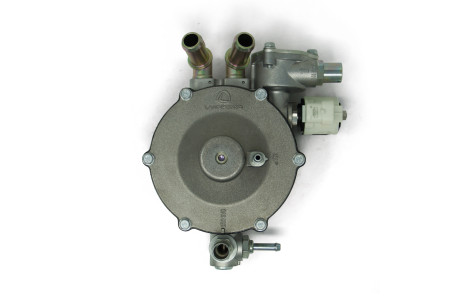
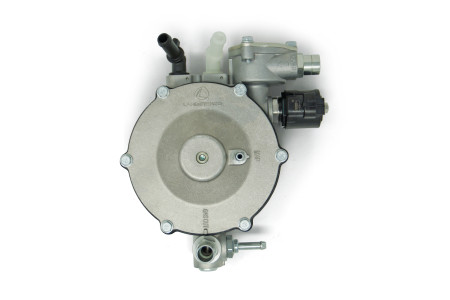
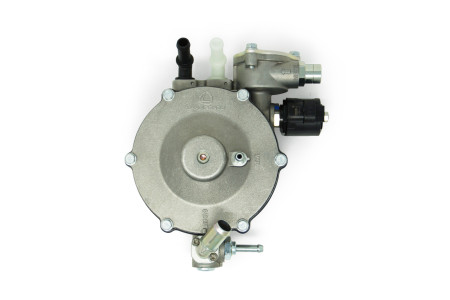
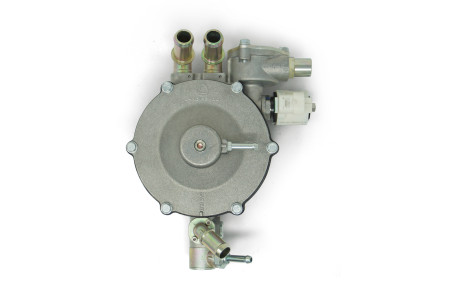
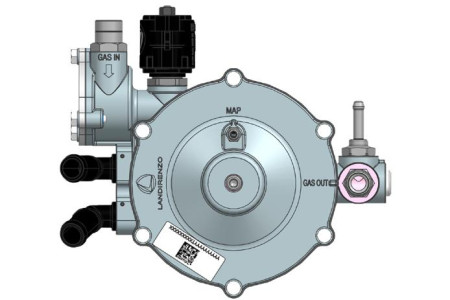
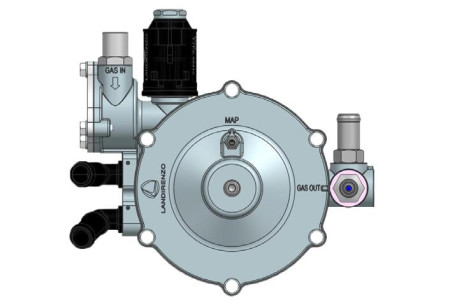
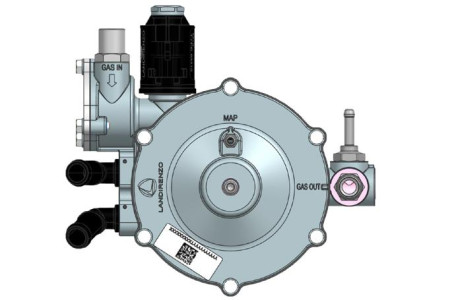
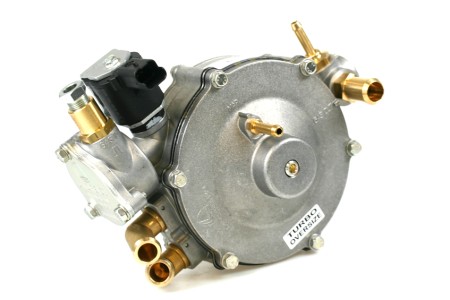
Bei einem Verdampfer handelt es sich um eines der wichtigsten Bauteile einer LPG-Autogasanlage. Seine Aufgabe ist es, das kalte LPG Gas aus dem Tank von der Flüssigphase in die Gasform zu überführen und gleichzeitig den Druck von ca. 10 Bar auf 1-2 Bar Arbeitsdruck abzusenken. Der LPG-Autogas Verdampfer wird auch als Druckminderer bezeichnet und ist notwendig um den Druck zu reduzieren und das Autogas über die LPG Injektoren sicher dem Motor zuzuführen.
Um diesen Prozess durchzuführen, benötigt er Energie in Form von Wärme, die von der Abwärme über das Kühlmittel des Motors bereitgestellt wird. Deshalb ist der LPG-Verdampfer auch als Wärmetauscher zu sehen.
In der Regel haben Verdampfer einer LPG Gasanlage ein Zweikammersystem, welches durch eine Gummi-Membran getrennt ist. Der LPG Verdampfer wird an den Kühlwasserkreislauf des Fahrzeugs eingebunden, um den Verdampfer durch das warme Kühlwasser auf Temperatur zu bringen. Durch die zweite Kammer fließt flüssiges LPG, welches erwärmt wird, dadurch verdampft und in die Gasphase gewandelt wird. Der Verdampfer benötigt einen bestimmten Arbeitsdruck, den man an den meisten Verdampfern über eine Regelschraube einstellen kann.
Das Wichtigste, was man über den Verdampfer wissen muss, ist, dass er jederzeit vollständig dicht sein muss und keine Undichtigkeiten haben sollte. Andernfalls kann der notwendige Arbeitsdruck nicht eingehalten werden. Bei einer undichten Gunmi-Membran könnte der Autogas Kraftstoff sich mit dem Kühlwasser vermischen und dies könnte im schlimmsten Fall zu einem Motorschaden führen.
Verdampfer von Gasanlagen haben in der Regel eine KW Angabe, die sich an der Motorleistung des umzurüstenden Fahrzeugs orientiert. Die KW Angabe des Autogas Verdampfers sollte als Obergrenze verstanden werden um einen dauerhaften und sicheren Betrieb des Fahrzeugs gewährleisten zu können.
Zu den am meisten verbreiteten LPG Verdampfern gehören u.a. Prins Verdampfer, BRC Verdampfer, KME, Landi Renzo, Zavoli, Lovato, Tartarini u.w.
Mit Reparatursätzen können hochwertige Verdampfer von Prins, BRC, Landi Renzo und anderen Herstellern kostengünstig repariert werden. Die Reparatur sollte in jedem Fall von einem Fachmann durchgeführt werden.
Symptome LPG Verdampfer defekt
Ein defekter Verdampfer hat häufig verschiedene Ursachen, darunter schlechte Gasqualität, was zum Verkleben des Verdampfers führt, falscher Einbau oder eine defekte Gummimembran.
Da der Verdampfer für einen sicheren Betrieb einen bestimmten Betriebsdruck konstant halten muss, sorgen Probleme wie Verunreinigung/ Verkleben oder Undichtigkeit dafür, dass der LPG Verdampfer seinen Arbeitsdruck nicht mehr konstant halten kann. Je nach Problem, steigt oder fällt der Druck des Verdampfers und führt in der Folge dazu, dass die Gasanlage abschaltet und das Fahrzeug in den Benzinbetrieb zurückschaltet. Das Zurückschalten in den Benzinbetrieb steuert das Gassteuergerät.
Eine Besonderheit bei Prins Gasanlagen ist, dass bei Problemen mit dem Verdampfer beim Zurückschalten in den Benzinbetrieb eine 10-minütige Sperre aktiviert wird, die dafür sorgt dass das Fahrzeug vom Fahrer nicht mehr in den Gasbetrieb zurückgeschaltet werden kann. Wenn die 10-minütige Sperre abgelaufen ist und man versucht das Fahrzeug wieder in den Gasbetrieb zurückzuschalten, der Verdampferdruck jedoch immer noch zu hoch oder zu niedrig ist, wird dieselbe Fehlermeldung wieder aktiv und die 10-minütige Sperre tritt erneut in Kraft. Somit kann man bei Prins Gasanlagen sehr gut per Ferndiagnose Probleme mit dem Verdampfer eingrenzen.
Prins Verdampfer der ersten Generation die mit zwei Membranen ausgestattet waren, hatten häufig das Problem dass bei einem defekten Verdampfer das Gas in den Kühlmittelkreislauf eingedrungen ist. Das war sehr gefährlich für den Motor, da Gas mit ca. 10bar Druck in den Kühlmittelkreislauf eingedrungen ist, welcher mit ca. 2bar arbeitet. Bei der Fehlersuche, wieso der Druck im Kühlmittelkreislauf gestiegen ist, war in den meisten Fällen nicht ersichtlich dass der Verdampfer die Ursache des Problems war. In der Folge wurde kostenintensiv die Zylinderkopfdichtung getauscht ohne die Ursache beseitigt zu haben.
Bei neueren Generationen von Prins Verdampfern mit geänderter Bauform tauchten diese Probleme nicht mehr auf.
Wenn ein defekter Verdampfer vermutet wird, kann der Deckel des Ausgleichsbehälters geöffnet werden um zu prüfen ob Gasgeruch zu vernehmen ist.
Verkleben des Verdampfers durch schlechte Gasqualität
Durch minderwertige Gasqualität kann es zu Ablagerungen im LPG-Verdampfer kommen, die wiederum dazu führen können, dass dieser verklebt. Ein verklebter Verdampfer lässt sich nicht mehr regulieren und kann den Druck nicht mehr konstant halten. In der Folge schaltet die LPG Gasanlage den Benzinbetrieb zurück.
In jedem Fall muss der Verdampfer von einem Fachmann überprüft werden, um sicherzustellen, dass er ordnungsgemäß funktioniert. Entweder muss der Verdampfer getauscht werden oder das Innenleben kann durch Einsatz eines Reparatursatzes vollständig revidiert werden.
Verdampfer-Probleme durch Einbaufehler
Der falsche Einbau des LPG Verdampfers ist eine häufige Ursache für Probleme mit der LPG-Autogasanlage. Er muss in den Kühlkreislauf ordnungsgemäß integriert werden, damit er eine ausreichendhohe Temperatur erreicht (ca. 70 - 90 Grad Celsius oder höher) um das flüssige Autogas in die Niedrigdruck-Gasphase umwandeln zu können. Wenn der Verdampfer nicht richtig eingebaut ist, kann er die notwendige Temperatur nicht erreichen und dies sorgt in der Folge zum Beispiel für einen zu hohen Verdampferdruck, wodurch das Gassteuergerät die Anlage in den Benzinbetrieb zurückschalten lässt.